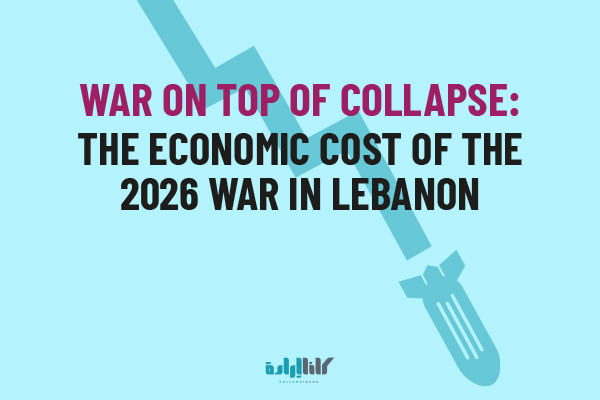
الحرب تعمّق الانهيار
الكلفة الاقتصادية لحرب 2026 في لبنان
بعد مرور نحو شهرين على تجدّد الحرب في لبنان، دخلت البلاد مرحلة من الضيق الإنساني والاجتماعي والاقتصادي الحاد. يواجه لبنان صدمة ثلاثية الأبعاد: حرباً إقليمية، واستمرار الاعتداءات الإسرائيلية واحتلال أجزاء من أراضيه، فضلاً عن هشاشة بنيوية عميقة متجذّرة في سنوات من الانهيار الاقتصادي غير المعالَج. وعلى الرغم من الآمال بأن تتطور الهدنة المؤقتة الراهنة إلى اتفاق دائم يخفّف من وطأة المعاناة، يبقى هذا الاحتمال غير محسوم، في وقت بدأت فيه ملامح الأزمة تتكشّف بالفعل.
يحلّل هذا الموجز قنوات انتقال هذه الأزمة الاقتصادية المتفاقمة، والتي تتسم بالتعدّد والتراكم. ويبرز عاملان رئيسيان في هذا السياق: أولاً، التدمير الواسع لرأس المال المادي والبنية التحتية؛ وثانياً، تفاقم الاختلالات الخارجية بما يهدّد بإطلاق أزمة سيولة جديدة. وعليه، تُنتج الحرب أثراً مزدوجاً: أثراً على المخزون نتيجة تدمير الأصول، وأثراً على التدفقات من خلال انكماش النشاط الاقتصادي والدخل. ويترجم ذلك إلى صدمة على جانب العرض، تتجلّى في تدمير الأراضي الزراعية وتعطّل التجارة والصناعة وانهيار الطلب، أي الاستهلاك والواردات، ما يفضي إلى انكماش اقتصادي واسع النطاق.
1. الخسائر البشرية والرأسمالية والإنتاجية
حصيلة بشرية ومادية فادحة. حتى الآن، أسفرت حرب 2026 عن سقوط نحو 2,491 قتيلاً و7,719جريحاً، من بينهم نحو 881 طفلاً بين قتيل وجريح. وقد بلغ النزوح مستويات غير مسبوقة، إذ أُجبر نحو مليون شخص على مغادرة منازلهم، ولا يزال 115,432نازحاً ونازحة يقيمون في 631 مركز إيواء جماعي.
تصاعد كثافة الدمار. لم يُحدَّد بعد الحجم الكامل للدمار في المساكن والبنية التحتية، لكنه يفاقم احتياجات إعادة الإعمار التي قدّرها البنك الدولي بنحو 11 مليار دولار حتى نهاية عام 2024. وبالاستناد إلى المرحلة الأكثر كثافة من حرب 2024، من منتصف أيلول/سبتمبر حتى وقف إطلاق النار في 27 تشرين الثاني/نوفمبر، تُقدَّر الكلفة اليومية الضمنية بنحو 157 مليون دولار. ما يعني أن ستة أسابيع من القتال قد تفضي إلى أضرار تتجاوز 7 مليارات دولار. وتشير تقديرات المجلس الوطني للبحوث العلمية في لبنان، إلى تدمير نحو 54,000 وحدة سكنية بشكل كلي أو جزئي حتى إعلان وقف إطلاق النار، وهو ما يعادل نحو 25% من إجمالي الأضرار السكنية المسجلة خلال حرب 2023-2024.
صدمة جديدة للناتج المحلي فوق انكماش تراكمي.يجب فهم أثر الحرب في ضوء هشاشة لبنان المسبقة. إذ انكمش الناتج المحلي الإجمالي الحقيقي بنحو 40% منذ عام 2019. وفي ظل حيّز مالي شديد الضيق، تبدو قدرة الاقتصاد على امتصاص صدمات إضافية محدودة للغاية. وتؤكد المؤشرات تسارع التدهور، إذ انخفض مؤشر مديري المشتريات، وهو مؤشر استشرافي لنشاط القطاع الخاص، إلى 47.4 في آذار/مارس 2026، مقارنة بـ51.2 في شباط/فبراير، ليسجل أدنى مستوى له خلال 17 شهراً في إشارة إلى عودة الانكماش. وبينما كانت التوقعات السابقة ترجّح نمواً بين 4% و6% في 2026، تشير التقديرات المحدّثة الصادرة عن معهد التمويل الدولي إلى احتمال انكماش الناتج بنسبة تتراوح بين 7% و16% في 2026، تبعاً لمدّة الحرب.
تهديد طويل الأمد لرأس المال البشري.على الرغم من غياب بيانات حديثة موحّدة عن تدفّقات الهجرة، تشير الاتجاهات السابقة إلى تسارع صافي الهجرة السلبية، لا سيما بين الشباب وحاملي الشهادات وأصحاب المهارات. فقد غادر نحو 800 ألف شخص لبنان منذ عام 2020، فيما بلغ صافي الخروج نحو مليون شخص منذ عام 2014. قد تتباطأ هذه الدينامية مؤقتاً بفعل القيود على الهجرة إلى دول الخليج، إلا أنها مرشّحة للاستمرار على المديين المتوسط والطويل، بما يفاقم استنزاف رأس المال البشري.
.jpg)